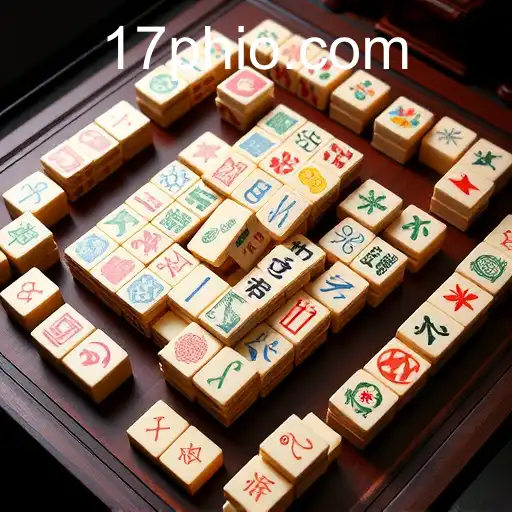
Mahjong: An Ancient Game with Modern Appeal
Originating in China, Mahjong is not merely a game; it is an intriguing blend of strategy, skill, and luck. Mahjong has captivated players across the globe with its rich history and cultural significance. The game is traditionally played by four players and involves a set of 144 tiles based on Chinese characters and symbols.
The History of Mahjong
Mahjong has a history that dates back to the Qing dynasty. Its exact origins are shrouded in mystery, with several theories suggesting it could have evolved from other tile-based games. The most popular version suggests it was developed by Confucian scholars who wanted a game that combined elements of chance with strategic thinking.
The game gained popularity in Shanghai and then spread to the rest of China. By the early 20th century, Mahjong had made its way to America and Europe, undergoing numerous adaptations to suit different cultures. Today, Mahjong tournaments attract participants worldwide, highlighting its universal appeal.
Understanding the Basics of Mahjong
The standard Mahjong set comprises 144 tiles, including three suits: bamboo, characters, and circles. There are also honor tiles divided into wind and dragon tiles, along with flower and season tiles that add a layer of complexity.
Each player begins with 13 tiles, drawing and discarding tiles with the aim of forming a complete hand. A winning hand typically consists of four melds (sets of three or four tiles) and a pair. The challenge lies in deciding which tiles to keep or discard, requiring players to be both strategic and tactical.
The Role of Strategy in Mahjong
Mahjong is more than just a game of chance. Successful players develop strategies similar to those in chess or poker. Reading opponents, predicting moves, and calculating the odds are all critical to gaining an advantage. The balance of offensive and defensive strategies makes each game unique and engaging.
Introducing the 17 Phoenix Hands (17ph) in Mahjong
A unique variation in the Mahjong world is known as the 17 Phoenix Hands, or 17ph. This variant adds an exhilarating twist to the traditional game, offering players new strategic depth and challenges to explore.
What Makes 17ph Unique?
The 17 Phoenix Hands variant introduces an additional layer of complication and intrigue. Unlike traditional hands, 17ph includes special hands that require specific tile combinations. These hands are more challenging to achieve but offer greater rewards in gameplay.
The 17 Phoenix Hands provide seasoned players with fresh objectives, requiring a deeper understanding of tile patterns and probability. The need to remember and recognize these unique hand patterns enhances the mental stimulus of the game.
Playing Online Mahjong and Embracing 17ph
The digital age has expanded Mahjong's reach, with many platforms offering online gameplay. Enthusiasts can now connect and compete with players globally, exploring traditional and contemporary versions like 17ph.
Online platforms often incorporate tutorials and beginner guides, making it easier for new players to learn the unique aspects of 17ph. With practice and perseverance, players can hone their skills and learn to anticipate complex tile combinations essential for mastering the 17 Phoenix Hands.
The Cultural Significance of Mahjong
Mahjong has long been more than a game; it is a cultural gathering point, particularly within Chinese communities. Families and friends traditionally gather to play, share stories, and celebrate togetherness.
In many cultures, Mahjong is played during significant holidays and celebrations, symbolizing luck, harmony, and happiness. This aspect of MahJong as a communal activity underscores its role in maintaining cultural heritage and fostering social bonds.
Mahjong's Influence on Modern Culture
Mahjong's popularity continues to grow, with its influence permeating various forms of media, including movies, TV shows, and literature. Its zen-like appeal has also found a place in mindfulness practices, with many enthusiasts enjoying the game's meditative qualities.
Many see Mahjong as a mental exercise, promoting cognitive skills such as memory, pattern recognition, and decision-making. Its complexity and depth make it not only entertaining but also intellectually rewarding.
Why Mahjong and 17ph Remain Timeless
The enduring appeal of Mahjong can be attributed to its perfect blend of simplicity and intricacy. The introduction of variations like the 17 Phoenix Hands ensures that the game continually evolves, inviting both veteran and novice players to probe its depths.
As Mahjong continues to evolve and gain new enthusiasts, its ability to adapt and thrive in modern settings speaks to its timeless nature. Whether played traditionally with family or competitively online, Mahjong's allure endures, capturing the imaginations of players young and old alike.
Whether you are an aspiring player just starting to explore the world of Mahjong, or a seasoned expert, the game offers endless possibilities for play and enjoyment. With its varied gameplay and strategic depth, Mahjong remains a beloved pastime for those who seek a game that combines luck with skill in perfect harmony.